Industrial facilities depend on reliable utility infrastructure to keep operations running efficiently. Whether transporting water, steam, process fluids, or other essential services, protecting piping systems from heat loss and environmental conditions is critical. This is where utilidor buildings provide a practical and cost-effective solution.
Unlike traditional insulation methods that require each pipe to be insulated separately, they enclose multiple pipes within a single insulated structure. This approach helps reduce energy loss, lower installation costs, and improve overall system performance. For industries focused on efficiency and long-term savings, utilidors have become an increasingly valuable option.
How Do Utilidor Buildings Work?
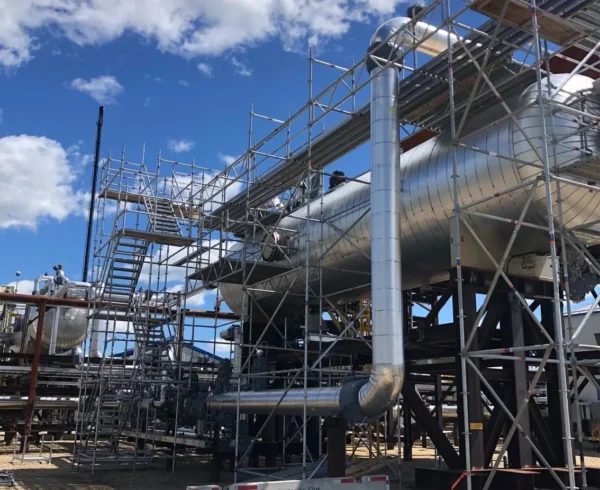
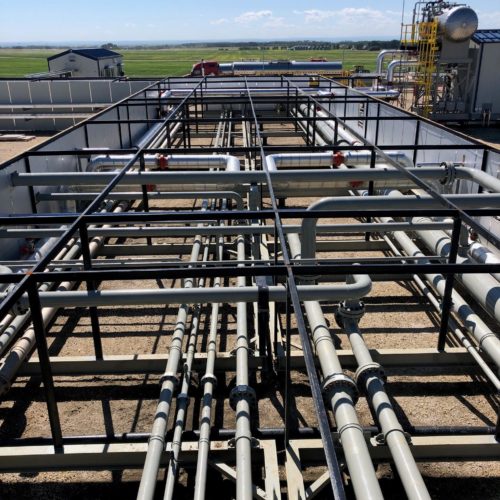
To understand how utilidors work, it helps to look at the basic design principle. Multiple pipes are grouped within an insulated enclosure constructed from high-performance panels. The enclosed structure acts as a thermal barrier that minimizes heat transfer between the piping system and the outside environment. As a result, utility lines retain heat more effectively and require less energy to maintain operational temperatures. Because the enclosure protects an entire pipe rack rather than individual pipes, facilities often use fewer insulation materials while achieving better overall thermal performance.
Key Components of a Utilidor System
A utilidor system explained in simple terms includes several important elements that work together to improve efficiency:
- Polyurethane foam insulated panels that provide superior thermal resistance.
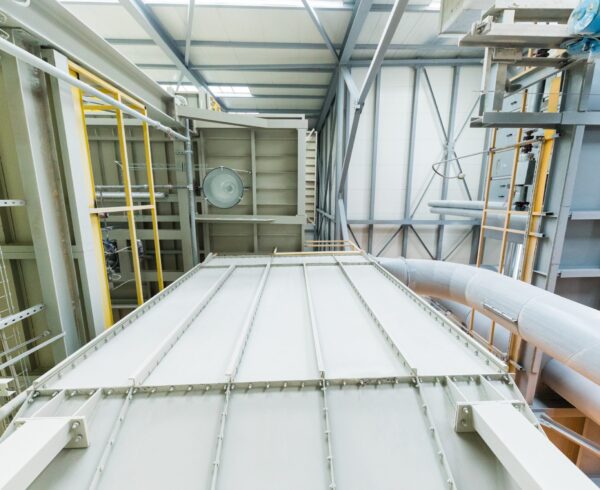
- Enclosed utility corridors that house multiple piping systems.
- Structural components designed to support and protect utility infrastructure.
- Access points for inspection, maintenance, and operational monitoring.
Benefits of Utilidor Buildings for Industrial Facilities
The growing popularity of utilidor buildings is largely driven by the significant advantages they offer.
Reduced Heat Loss
One of the biggest benefits is the ability to minimize heat loss. Since multiple pipes are enclosed within a single insulated structure, thermal energy is retained more effectively than with separate pipe insulation systems.
Improved Energy Efficiency
Enhanced insulation performance means less energy is required to maintain process temperatures. This can lead to lower operating costs and improved energy management throughout the facility.
Cost Savings
Because the enclosure protects an entire group of pipes, less insulating material is often needed. Lower material requirements and simplified installation can contribute to substantial long-term savings.
Better Infrastructure Protection
The enclosed environment shields utility systems from weather exposure and other external conditions that may impact performance over time.
Why Polyurethane Insulated Panels Matter
The performance depends heavily on the insulation materials used in their construction. Polyurethane foam insulated panels are known for their excellent thermal properties and durability. These panels help create a highly efficient thermal envelope around utility systems. Their insulating capabilities support temperature control while reducing energy waste.
At GR Insulating and Scaffolding, polyurethane panel technology plays a key role in delivering high-performing utilidor solutions for industrial applications. We focus on systems designed to improve efficiency while supporting long-term operational goals.
Utilidor Buildings Versus Traditional Pipe Insulation
Many facility managers compare it with conventional pipe insulation methods when evaluating infrastructure upgrades. Traditional approaches typically involve insulating each pipe individually. While effective in some situations, this method can require significant material usage and ongoing maintenance.
In contrast, it offers several advantages:
- Multiple utility lines can be enclosed within a single insulated structure, creating a more organized and efficient utility system.
- This design helps reduce the amount of insulation material required compared to insulating each pipe individually.
- By minimizing heat loss, the system improves energy efficiency across the entire pipe rack.
- The centralized enclosure makes maintenance and inspection activities easier and more convenient to perform.
Are They Suitable for Underground Infrastructure?
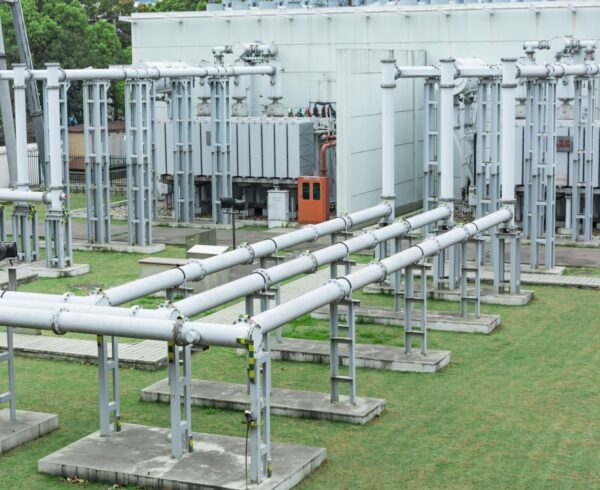
Many people associate utility corridors with underground utility corridors and underground service corridors used in urban infrastructure projects. While utilidors can be adapted for various applications, industrial utilidor systems often focus on above-ground or enclosed pipe rack protection. The underlying concept remains the same. Utilities are grouped together within a protected corridor that improves accessibility, organization, and operational efficiency. This approach helps facilities better manage critical services while reducing exposure to environmental challenges.
Applications Across Industrial Sectors
Various industries can benefit from implementing it as part of their infrastructure strategy.
Manufacturing Facilities
Manufacturing operations often rely on extensive piping networks that transport steam, water, and process fluids. Utilidors help improve thermal efficiency while protecting these systems.
Energy and Resource Operations
Energy facilities require dependable utility systems to support production processes. Enclosed utilidor structures can help reduce energy losses and improve operational performance.
Industrial Processing Plants
Processing plants frequently use multiple utility lines that benefit from centralized protection and insulation solutions.
GR Insulating has experience supporting industrial projects that require durable and efficient utility infrastructure. Through specialized insulation solutions, GR Insulating and Scaffolding helps facilities maximize performance and long-term value.
The Future of Utilidor Buildings
As industries continue to prioritize efficiency and sustainability, the demand for advanced utility infrastructure solutions is expected to grow. It provides a practical way to reduce energy consumption while protecting valuable assets. By combining high-performance insulation materials with intelligent utility management, facilities can achieve stronger operational outcomes and greater cost control. Companies such as GR Insulating and Scaffolding continue to support this transition by providing innovative insulation solutions customized to industrial requirements.
Upgrade Your Facility with Utilidor Buildings
Contact GR Insulating and Scaffolding today to learn how Utilidor Buildings can support your facility’s efficiency goals and strengthen the performance of your utility infrastructure.
Utilidor Buildings
how utilidors work
utilidor system explained
underground utility corridors
underground service corridors