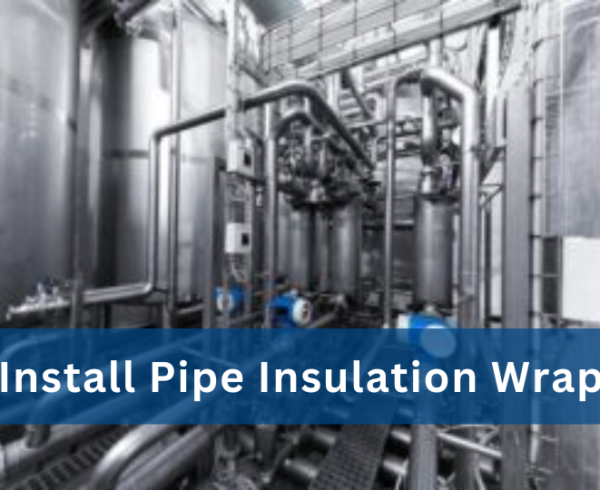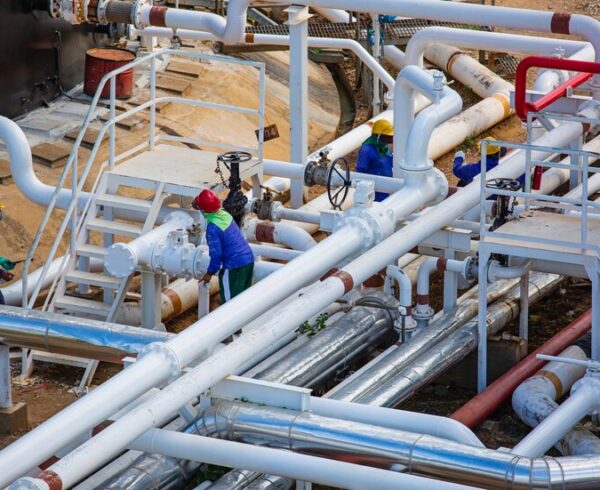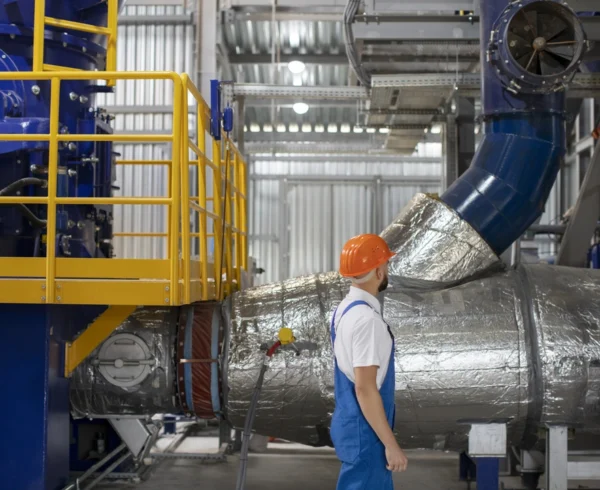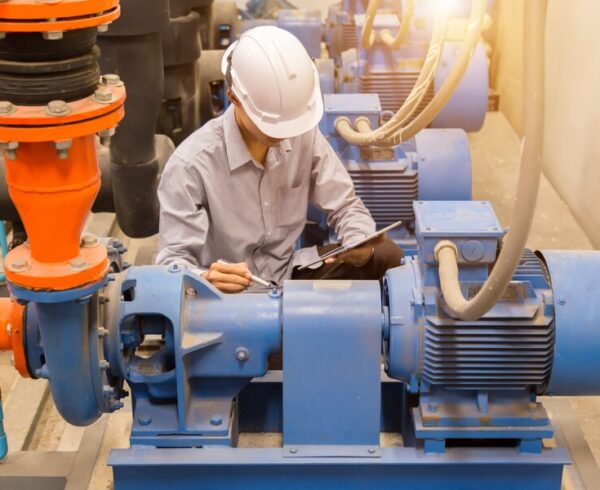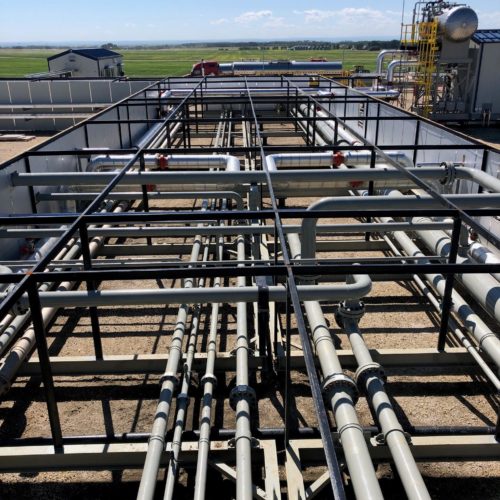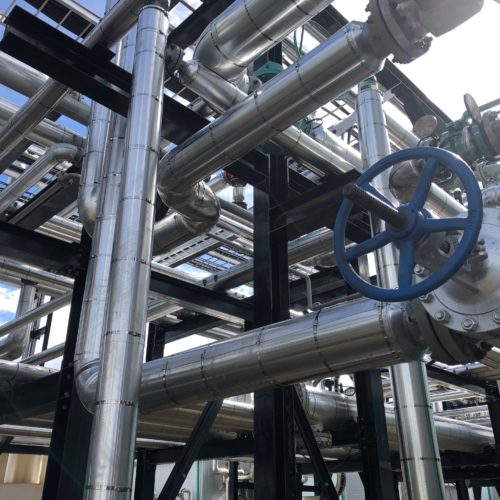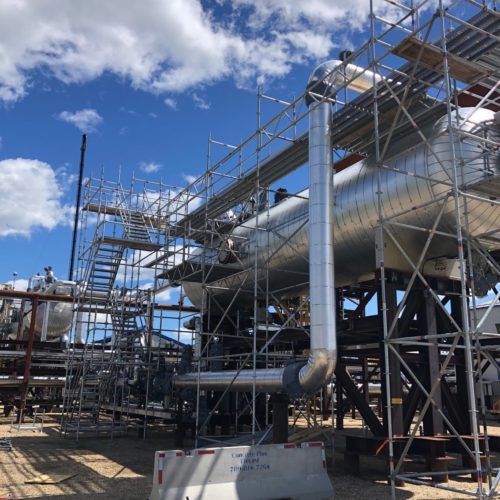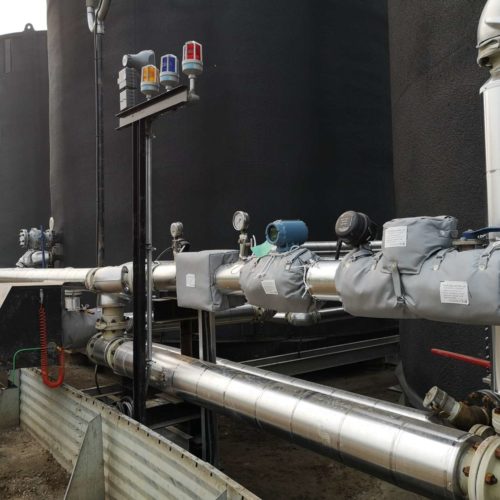
Temperature stability is essential in industrial operations where production tanks, storage vessels, and piping systems are used every day. Proper vessel and tank insulation helps maintain consistent operating conditions, reduce energy consumption, and protect valuable equipment from harsh environmental conditions.
These benefits are particularly important throughout Alberta, British Columbia, and other parts of Western Canada, where long winters and fluctuating temperatures can place additional stress on industrial facilities. By selecting the right insulation materials and installation methods, businesses can improve performance while supporting safer and more efficient operations.
The Role of Vessel and Tank Insulation in Temperature Control
Industrial tanks and vessels are constantly exposed to changing environmental conditions. Without effective insulation, excessive heat loss, freezing temperatures, solar radiation, and moisture can affect the quality of stored materials and disrupt normal operations.
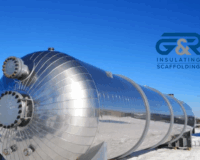
Vessel and tank insulation creates a protective barrier that helps maintain stable temperatures while improving the efficiency of the entire system. This process supports a variety of industrial applications, including production tanks, storage vessels, piping networks, and meter control systems. G&R Insulating and Scaffolding provides specialised insulation services designed to address the demanding conditions commonly experienced throughout Western Canada.
How Vessel and Tank Insulation Supports Industrial Performance
The advantages of proper insulation extend well beyond temperature regulation. Modern insulation systems are designed to improve operational efficiency, protect equipment, and reduce long-term costs.
Reducing heat loss
One of the primary functions of insulation is limiting the transfer of heat between the tank and the surrounding environment. Retaining heat reduces energy demands and allows systems to operate more efficiently.
Protecting equipment from freezing temperatures
Facilities operating in Alberta and British Columbia frequently experience prolonged periods of extreme cold. Proper insulation helps prevent stored materials from freezing and protects critical equipment from damage. This is one of the reasons oilfield tank insulation remains essential for many energy facilities.
Limiting the effects of solar radiation
Direct sunlight can increase internal temperatures and create inconsistent operating conditions. Insulation helps minimise the effects of solar heat gain and supports more reliable temperature control.
Controlling condensation and moisture
Condensation can lead to corrosion, equipment deterioration, and increased maintenance costs. Effective insulation reduces moisture accumulation and contributes to a longer service life.
Improving workplace safety
Workers operating near high-temperature surfaces face greater risks of injury. Proper insulation reduces exposure to extreme temperatures while helping maintain safer working conditions.
Materials Commonly Used for Industrial Tank Insulation
Selecting the right materials is an important step in achieving dependable results. Every application requires careful consideration of environmental conditions, operating temperatures, and the contents being stored. Industrial tank insulation projects often rely on polyurethane panels because of their durability and thermal performance. These panels can also be adapted to curved surfaces, making them a practical solution for many facilities.
Common insulation materials include:
- Mineral wool
- Fibreglass
- Foamglas
- Calcium silicate
- Urethane
Advanced Thermal Insulation Solutions for Modern Facilities
Industrial operations require insulation systems that can perform reliably in demanding environments. Modern thermal insulation solutions are designed to support a wide range of objectives while helping operators maintain greater control over daily processes.
Some of the most valuable benefits include:
- Improved temperature consistency
- Reduced energy consumption
- Lower operating costs
- Reduced carbon emissions
- Greater protection against environmental conditions
- Lower maintenance requirements
- Reduced noise levels
Long-Term Financial Benefits of Vessel and Tank Insulation
Investing in insulation can produce substantial savings over time. Reduced heat loss lowers energy consumption, while improved temperature control supports more efficient production processes.
Businesses can also benefit from:
- Lower repair costs
- Less equipment downtime
- Improved product quality
- Longer equipment life
- Greater operational efficiency
Professional Installation Delivers Better Results
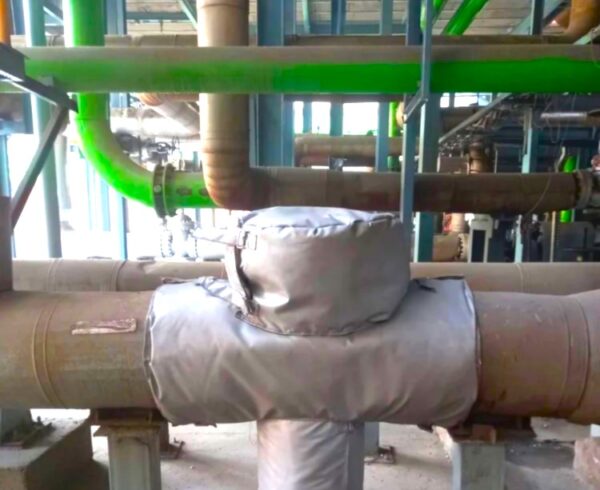
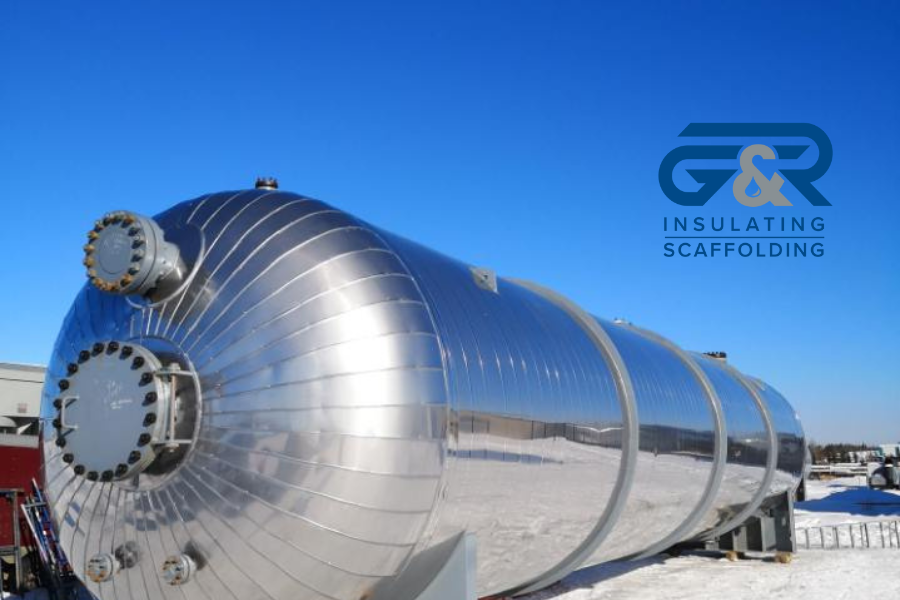
Even high-quality materials require proper installation to achieve the desired results. Different tanks, vessels, and piping systems require different methods based on operating conditions and structural design. Installation methods may include polyurethane panels, stainless steel strapping systems, protective metal jacketing, and specialised finishes selected for each application. Our experienced team at G&R Insulating & Scaffolding carefully evaluates every project to ensure the most effective solution is applied.
Why Is Vessel and Tank Insulation Important for Oil and Gas Operations?
The oil and gas industry depends on stable operating conditions to maintain efficiency, protect equipment, and preserve product quality. Temperature fluctuations can interrupt operations and increase costs throughout the production cycle.
Vessel and tank insulation helps minimise these challenges by reducing heat loss, preventing freezing, controlling condensation, and supporting reliable process management. For facilities throughout Alberta, British Columbia, and surrounding regions, insulation remains an important part of maintaining dependable performance.
Improve Performance With Vessel and Tank Insulation
Contact G&R Insulating & Scaffolding today to discover how vessel and tank insulation can improve efficiency, protect equipment, and lower operating costs.