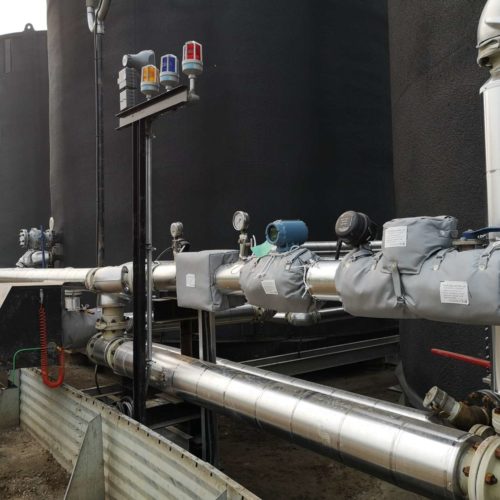
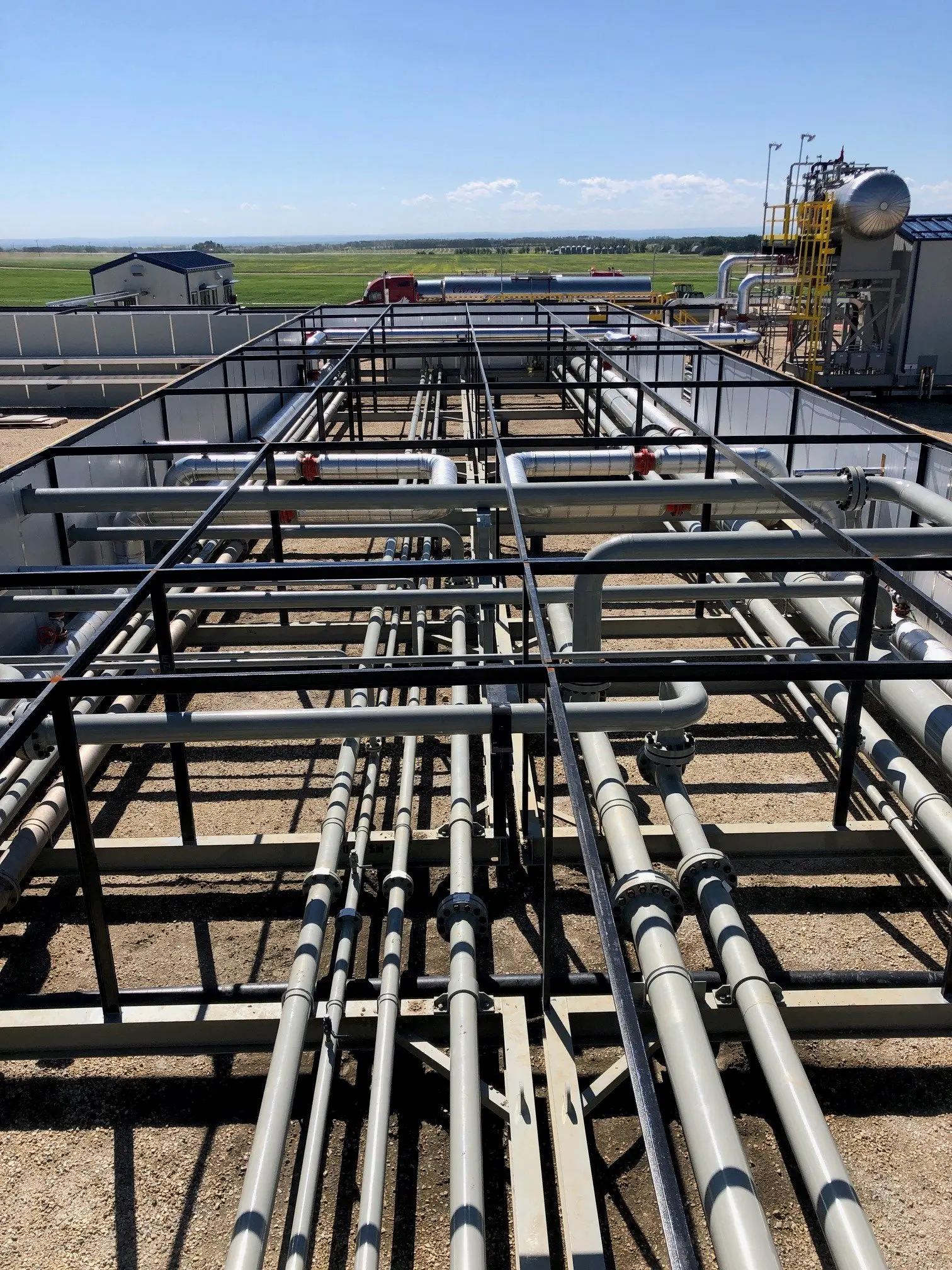
Small insulation issues rarely stay small. A minor temperature imbalance or a bit of condensation on a pipe can quietly grow into equipment damage, safety risks, and rising operating costs. Mechanical Pipe Insulation protects your infrastructure every hour of the day, so when performance starts slipping, the entire system feels the impact.
Facilities that recognize early warning signs avoid expensive shutdowns and keep operations running smoothly. The insights shared below reflect real service priorities and maintenance concerns outlined in the project material associated with this topic. Knowing what to look for helps you act early and protect long-term reliability.
The Most Important Warning Signs That Signal Mechanical Pipe Insulation Failure
Every facility experiences wear and tear, but insulation problems tend to follow predictable patterns. These five signs appear consistently across industrial plants, commercial buildings, and processing facilities. Spotting them early gives you the chance to plan upgrades before performance declines.
Rising Energy Bills
Unexpected increases in energy costs usually signal heat loss or temperature imbalance within the piping network. When insulation weakens, systems must run longer cycles to maintain the same output. That additional workload drives up fuel and electricity consumption.
You may notice this pattern during seasonal changes when equipment works harder to regulate temperature. Even a small insulation gap can cause continuous energy loss throughout the day. According to the U.S. Department of Energy, poorly insulated piping systems can waste significant thermal energy, leading to unnecessary operational expenses.
Replacing aging Mechanical Pipe Insulation restores temperature stability and helps control energy spending. G&R Insulating & Scaffolding helps facilities address this issue early, and those that do often see measurable savings within months.
Moisture and Condensation
Water forming on pipe surfaces rarely happens without a cause. Condensation usually develops when insulation fails to maintain proper temperature separation between the pipe and the surrounding air. Over time, trapped moisture creates an environment where corrosion spreads quickly.
You might observe dripping water, damp insulation jackets, or mold growth around pipe joints. These signs indicate that the insulation barrier has lost effectiveness. Left untreated, moisture can damage valves, fittings, and nearby equipment. Upgrading compromised Pipe Insulation prevents water intrusion and protects metal components from rust and structural deterioration.
Visible Cracks or Deterioration
Physical damage provides one of the clearest indicators that insulation performance has declined. Exposure to vibration, weather changes, and mechanical stress gradually weakens insulation surfaces. Eventually, cracks, gaps, and brittle sections begin to appear.
These openings allow heat to escape and contaminants to enter the system. Even small fractures can expand quickly under pressure, reducing the insulation’s ability to regulate temperature effectively. Routine inspections help identify worn sections before they fail. Replacing damaged Mechanical Pipe Insulation maintains consistent protection and keeps systems operating within safe limits.
Equipment Struggles to Maintain Stable Temperatures
Temperature fluctuations often reveal insulation problems that are not immediately visible. When systems cannot maintain consistent heat levels, equipment cycles more frequently to compensate. That pattern increases wear on pumps, compressors, and control valves. Operators may notice longer warm-up times or uneven heating across different areas of the facility. These symptoms suggest that insulation has lost its thermal resistance.
Modern Mechanical Pipe Insulation materials provide stronger temperature control and reduce strain on mechanical components. Upgrading outdated insulation helps restore system efficiency and extend equipment life.
Increased Maintenance Calls
Frequent repairs often signal a deeper infrastructure issue rather than isolated equipment problems. When insulation deteriorates, mechanical components face greater stress and environmental exposure. That stress leads to more breakdowns and unplanned service visits.
Maintenance teams may find themselves replacing valves, repairing leaks, or adjusting system settings more often than usual. These repeated fixes consume time and budget while failing to address the root cause. Installing reliable Pipe Insulation reduces maintenance demands and supports predictable system performance.
How Reliable Mechanical Pipe Insulation Supports Energy Efficient Piping Solutions
Once the warning signs appear, the next step involves restoring system efficiency. Proper insulation acts as a barrier that stabilizes temperatures and prevents energy loss across the piping network.
Facilities that invest in Energy Efficient Piping Solutions typically experience:
- Lower utility costs
- Reduced system strain
- Improved temperature control
- Longer equipment lifespan
- Better environmental performance
Consistent insulation performance also supports sustainability goals by minimizing wasted energy and reducing carbon emissions.
Why Mechanical Pipe Insulation Plays a Critical Role in Industrial Safety
Safety remains a top priority in industrial and commercial environments. Exposed or poorly insulated pipes can reach dangerous surface temperatures that increase the risk of burns and workplace accidents.
Reliable insulation protects employees by maintaining safe contact temperatures. It also reduces condensation, which helps prevent slippery surfaces and corrosion related hazards.
Industries that rely on Oil and Gas Pipe Insulation face particularly demanding conditions. High-pressure systems require dependable thermal protection to maintain safe operations around the clock.
What Makes G&R Insulating & Scaffolding a Trusted Partner for Mechanical Pipe Insulation Projects?
Experience and responsiveness make a measurable difference when managing complex mechanical systems. We focus on practical solutions that address real operating conditions rather than temporary fixes.
Technicians evaluate pipe layouts, environmental exposure, and system load before recommending upgrades. That process ensures insulation materials match the specific demands of each facility. Businesses that partner with professional Industrial Insulation Services benefit from consistent performance and fewer emergency repairs.
A Practical Snapshot of Why Timely Upgrades Matter
Delaying insulation upgrades often leads to higher repair costs and unexpected downtime. Acting early keeps operations stable and protects valuable infrastructure.
Here is what timely upgrades deliver:
- Stronger temperature control across systems
- Reduced energy consumption
- Improved equipment reliability
- Safer working environments
- Predictable maintenance schedules
Reliable Mechanical Pipe Insulation becomes a long-term investment in operational stability rather than a short-term expense.
Protect System Performance with Mechanical Pipe Insulation from G&R Insulating & Scaffolding
Every facility depends on stable mechanical systems to maintain productivity. Waiting for insulation to fail can disrupt operations and strain budgets. Taking action at the first sign of trouble keeps equipment running smoothly and protects long-term performance.
Professional Mechanical Pipe Insulation services from G&R Insulating & Scaffolding help safeguard infrastructure, improve efficiency, and support safe daily operations. Scheduling an inspection today gives you a clear path toward dependable system reliability.