G&R Insulating & ScaffoldingG&R Insulating & ScaffoldingG&R Insulating & ScaffoldingG&R Insulating & Scaffolding
  • Home
  • About
    • About G&R Insulating
    • Meet Our Team
  • Services
    • Mechanical Pipe Insulation
    • Oilfield Buildings
      • Polyurethane Panel Buildings
      • Self-Framer Buildings
    • Utilidors
    • Scaffolding
    • Vessels & Tanks
    • Reusable Insulation Covers
    • Glycol Heat Tracing System Installations
    • BBQ Shack Rental
    • Game Locker
  • Gallery
  • Safety
  • FAQ
  • Employment Opportunities
  • Contact Us

How to Maintain a Glycol Heat Tracing System

    Home Glycol Heat Tracing How to Maintain a Glycol Heat Tracing System
    Previous
    Glycol Heat Tracing

    How to Maintain a Glycol Heat Tracing System

    By devadmin | Glycol Heat Tracing | Comments are Closed | 14 September, 2026 | 0

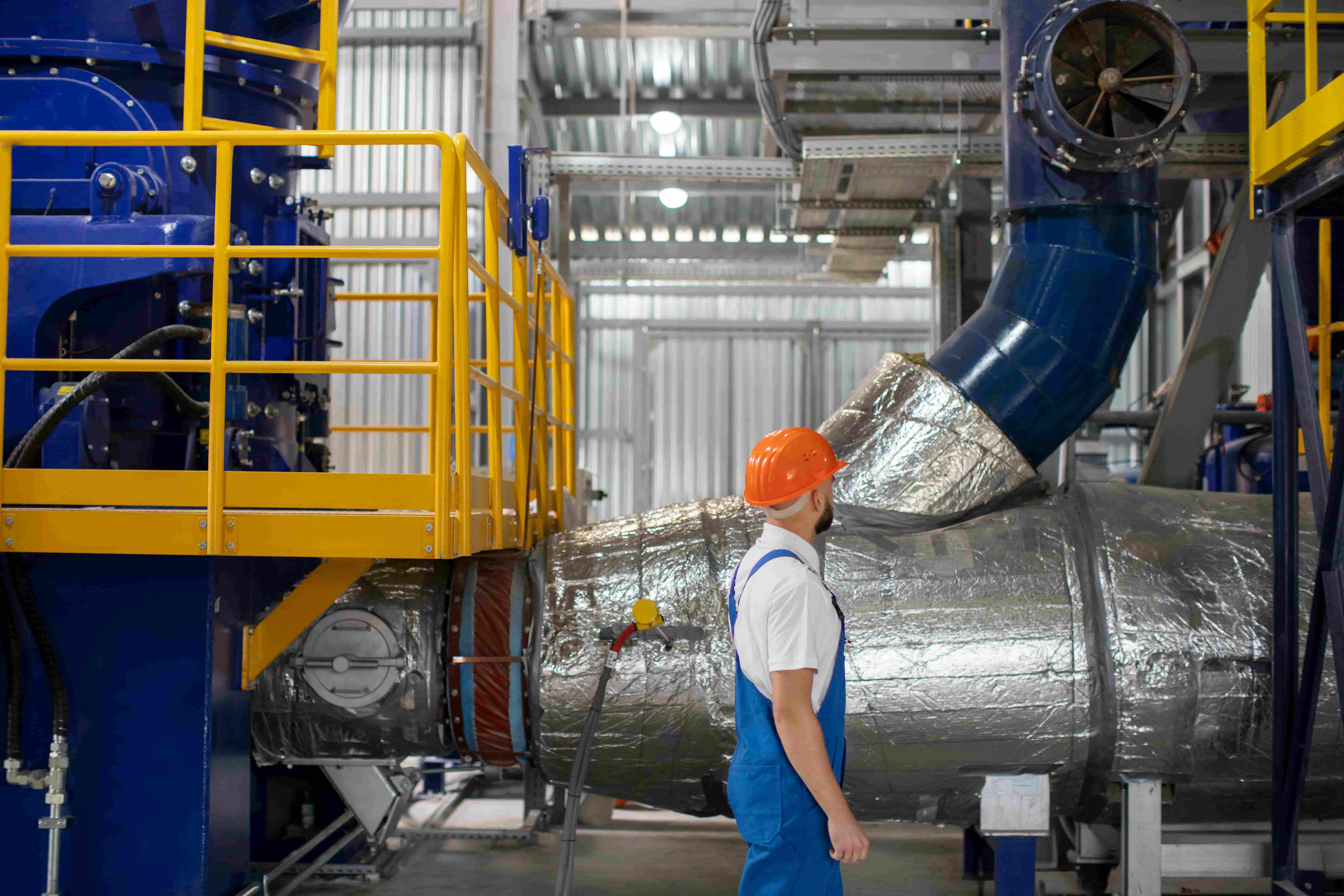
    Extreme cold can expose even a well-designed piping system to serious freeze risks when heat transfer, circulation, or insulation begins to deteriorate. Regular glycol heat tracing maintenance helps keep heat moving along protected piping and reduces the chance of frozen lines, leaks, and avoidable downtime during Alberta and British Columbia winters.

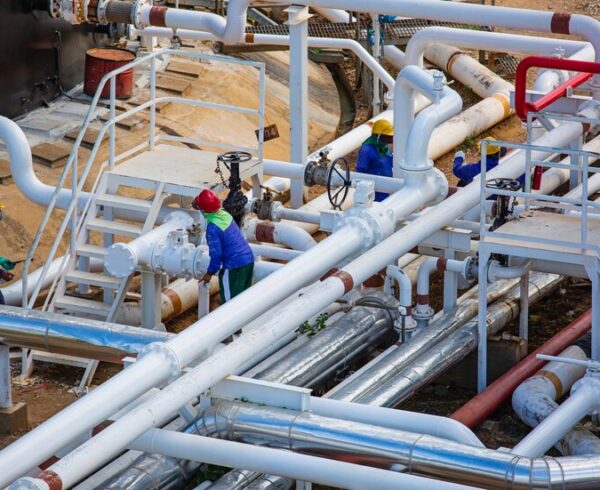
    A closed-loop system circulates heated glycol through stainless steel tubing positioned along piping beneath insulation. The transferred heat compensates for heat loss and supports freeze protection or required temperature maintenance. G&R Insulating provides professional installation solutions for these systems across Alberta and B.C., where prolonged periods of extreme cold make dependable pipe protection especially important.

    Why Does Glycol Heat Tracing Need Regular Maintenance?

    A glycol heat tracing system depends on several connected elements working correctly. Glycol must circulate effectively, tubing must remain intact, controls must operate properly, and insulation must limit heat loss. A weakness in any of these areas can reduce system performance.

    Routine inspections can identify gradual changes before severe winter weather places greater demand on the system. Effective heat tracing system maintenance also helps operators spot circulation problems, damaged insulation, loose connections, and signs of fluid loss before pipe temperatures fall too far. Maintenance is especially important before the cold season. A system that appears functional during mild weather may reveal weaknesses only after outdoor temperatures drop and heat loss increases.

    Essential Glycol Heat Tracing Maintenance Tasks

    Effective glycol heat tracing maintenance requires more than checking that the system is running. Each major component should be evaluated for conditions that could interfere with heat transfer or freeze protection.

    Inspect Glycol Levels and Fluid Condition

    The glycol level should remain within the operating requirements established for the system. An unexplained reduction can indicate leakage or another problem within the closed loop.

    Fluid condition also deserves attention. Changes in appearance, contamination, or deterioration may affect system performance. Testing glycol according to system and fluid specifications can help determine if servicing or replacement is needed.

    Check the Glycol Circulation System

    A glycol circulation system needs consistent flow to carry heat where piping requires protection. Pumps, valves, connections, and circulation lines should be inspected for restrictions or abnormal operating conditions.

    Operators should investigate unusual noises, pressure changes, reduced flow, or inconsistent temperatures. These signs can indicate a developing circulation problem that may reduce heat delivery to part of the piping network.

    Examine Tubing and Connections

    Stainless steel tubing lines and connection points should be visually inspected wherever accessible. Look for physical damage, corrosion around associated components, loose fittings, or signs that tubing has shifted from the intended position.

    Tubing placement matters because effective heat transfer depends on proper contact and positioning along the protected pipe.

    Perform Glycol System Leak Detection

    Glycol system leak detection should focus on fittings, joints, valves, pumps, tubing, and other potential escape points. Damp insulation, residue, unexplained fluid loss, or pressure changes can indicate a leak requiring further investigation.

    Even a small leak can gradually lower fluid levels and interfere with circulation. Early identification can limit fluid loss and reduce the risk of poor heating performance during cold weather.

    Assess Pipe Insulation Condition

    Trace heating and insulation perform different but connected jobs. The heating system supplies energy, while insulation reduces heat loss to the surrounding environment. Damaged, wet, compressed, or missing insulation can disturb this thermal balance.

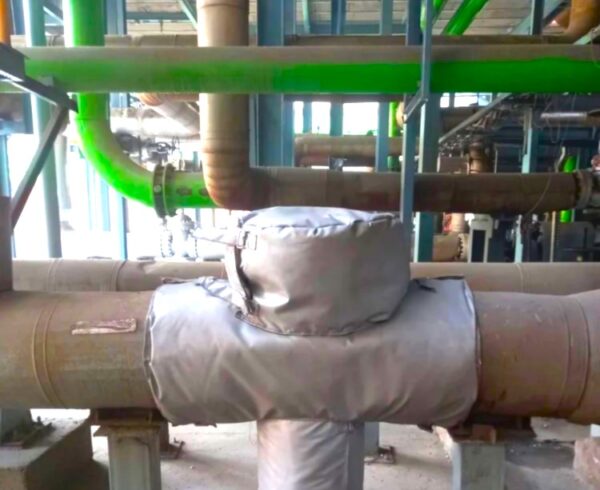
    Inspect insulation for openings, deterioration, moisture intrusion, and poorly secured sections. Removable insulation covers should also fit correctly around components requiring periodic service access.

    Common Warning Signs that Indicate a Heat Tracing Problem

    Changes in system behaviour can provide early evidence that maintenance is required. Operators should not wait for a frozen pipe before investigating abnormal conditions.

    Common warning signs include:

    • Sections of piping becoming noticeably colder than expected
    • Unexplained reductions in glycol levels
    • Visible fluid around tubing, valves, pumps, or connections
    • Irregular circulation or unexpected pressure changes
    • Damaged, loose, or wet pipe insulation
    • Difficulty maintaining the required pipe temperature

    Maintaining the Balance Between Trace Heating and Insulation

    A heat tracing system cannot compensate efficiently for unlimited heat loss. Proper insulation is therefore a critical part of maintaining reliable pipe temperatures. When insulation becomes damaged or saturated with moisture, more heat can escape from the piping. The tracing system may then need to work harder to maintain the intended temperature. Restoring insulation integrity helps reduce unnecessary heat loss and supports more consistent system operation.

    G&R Insulating also provides pipe insulation methods and removable insulation covers that can support access to components while helping protect the thermal performance of insulated piping.

    Establishing a Practical Maintenance Schedule

    Maintenance frequency should reflect operating conditions, system design, exposure, and manufacturer requirements. Facilities exposed to harsh winter conditions may benefit from inspections before the cold season, periodic checks during operation, and another assessment after winter. Maintenance records can make these inspections more useful. Recording glycol levels, operating temperatures, pressure observations, repairs, and inspection findings creates a reference point for identifying gradual changes.

    Protect Your Glycol Heat Tracing System With G&R Insulating

    Contact G&R Insulating for professional glycol heat tracing installation, maintenance support, and pipe insulation solutions across Alberta and B.C.

    Glycol Heat Tracing

    devadmin

    More posts by devadmin

    Related Post

    • Install Pipe Insulation Wrap

      Pipe Insulation Wrap: Benefits, Uses, and Easy Installation Guide

      By Brittney Bugnet | Comments are Closed

      Before you start make sure you have all that you need including the pipe insulation wrap itself. It might seem complicated but following these guidelines will lead to successful completion with the required precision levelRead more

    • Mechanical Pipe Insulation

      How Does Mechanical Pipe Insulation Improve Energy Efficiency?

      By Brittney Bugnet | Comments are Closed

      Heating and cooling help most buildings provide comfortable indoor environments and they rely on mechanical systems in doing so. However, HVAC systems often overlook a very essential part of them – pipe insulation. As itRead more

    • High temperature insulation

      High Temperature Insulation Service | Improve Safety & Efficiency

      By Brittney Bugnet | Comments are Closed

      High temperatures can cause serious damage to equipment and structures. Whether in factories, oilfields, or industrial plants, extreme heat needs to be controlled. This is where high temperature insulation comes in. It helps protect materials,Read more

    • Fiberglass Insulation

      Fiberglass Insulation: Installation and Cost Guide

      By Brittney Bugnet | Comments are Closed

      Fiberglass insulation is a great  way to keep homes warm in winter and cool in summer. It helps save energy and lowers electricity bills. Many homeowners choose fiberglass because it is affordable and easy toRead more

    • what does insulation mean

      What Does Insulation Mean? A Complete Guide 2025

      By Brittney Bugnet | Comments are Closed

      What does insulation mean? Insulation helps keep your home warm in the winter and cool in the summer. It stops heat, electricity, or sound from moving easily. Imagine it like a cozy blanket around yourRead more

    • Grand River Insulation -an employee

      Easy Steps to Installing Grand River Insulation

      By | Comments are Closed

      Ah, insulation – the unsung hero of home comfort. You’re probably thinking, “Insulation? That sounds like a whole lotta work!” But fear not, friend! Installing Grand River insulation is easier than navigating a lazy riverRead more

    • Centrifugal Pumps

      Why Do Centrifugal Pumps Require Regular Maintenance?

      By Brittney Bugnet | Comments are Closed

      Many oil and gas companies, chemical plants, and water treatment centers use centrifugal pumps. Even though these pumps work well and last a long time, if you don’t take care of them regularly, they canRead more

    • Pipe Insulation Jackets

      Top Benefits of Installing a Pipe Insulation Jacket

      By Brittney Bugnet | Comments are Closed

      Pipes are an important part of homes and businesses. They carry water, gas, and other materials that keep things running smoothly. But pipes can lose heat, freeze, or even get damaged if not protected. ARead more

    Previous

    Recent Posts

    • Glycol Heat Tracing
      14 September, 2026
      Comments Off on How to Maintain a Glycol Heat Tracing System

      How to Maintain a Glycol Heat Tracing System

    • Tank Insulation
      8 September, 2026
      Comments Off on The Benefits of Proper Vessel and Tank Insulation for Temperature Control

      The Benefits of Proper Vessel and Tank Insulation for Temperature Control

    • 18 August, 2026
      Comments Off on Why Oilfield Buildings Are Essential for Modern Oil and Gas Operations

      Why Oilfield Buildings Are Essential for Modern Oil and Gas Operations

    • scaffold systems
      29 July, 2026
      Comments Off on 10 Essential Scaffold Maintenance Tips for Safer Job Sites

      10 Essential Scaffold Maintenance Tips for Safer Job Sites

    • 17 July, 2026
      Comments Off on How Polyurethane Insulated Panels Improve Energy Efficiency

      How Polyurethane Insulated Panels Improve Energy Efficiency

    Latest Projects

    • Mechanical Piping Insulation
    • Top Mechanical Pipe Insulation Contractors
    • Scaffolding project
    • Removable Insulation Blankets
    • Oilfield Buildings

    Quick Links

    • Home
    • About Us
    • Services
    • Safety
    • Gallery
    • Contact Us
    • Sitemap
    • Blog

    Specializing In

    • Mechanical Pipe Insulation
    • Oilfield Buildings
    • Utilidors
    • Scaffolding
    • Vessels & Tanks
    • Reusable Insulation Covers
    • Glycol Heat Tracing System Installations

    About Us

    G&R Insulating and Scaffolding was established in April 2000 and understands the importance of providing quality service and products by ensuring that our staff is well trained and capable of managing jobs in a safe and efficient manner. Quality Control is of the utmost importance to G&R Insulating and Scaffolding. Quality work, done on time, by a team you can trust.

    Contact Us

    Address:
    9318-81st Ave,
    Clairmont, AB,
    T8X 0M2

    Phone:
    (587) 259-0800

    Fax:
    1-866-854-4638

    Email:
    info@grinsulating.com

    • Mechanical Pipe Insulation
    • Oilfield Buildings
    • Utilidors
    • Scaffolding
    • Vessels & Tanks
    • Reusable Insulation Covers
    • Glycol Heat Tracing System Installations
    © Copyright G&R Insulating Ltd. - All Rights Reserved | Website by Webacom
    • Home
    • About
      • About G&R Insulating
      • Meet Our Team
    • Services
      • Mechanical Pipe Insulation
      • Oilfield Buildings
        • Polyurethane Panel Buildings
        • Self-Framer Buildings
      • Utilidors
      • Scaffolding
      • Vessels & Tanks
      • Reusable Insulation Covers
      • Glycol Heat Tracing System Installations
      • BBQ Shack Rental
      • Game Locker
    • Gallery
    • Safety
    • FAQ
    • Employment Opportunities
    • Contact Us
    G&R Insulating & Scaffolding