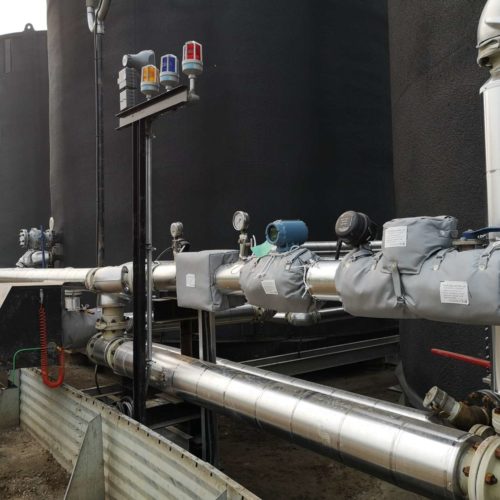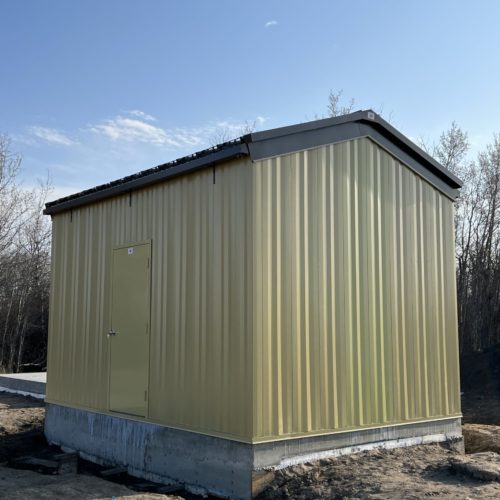
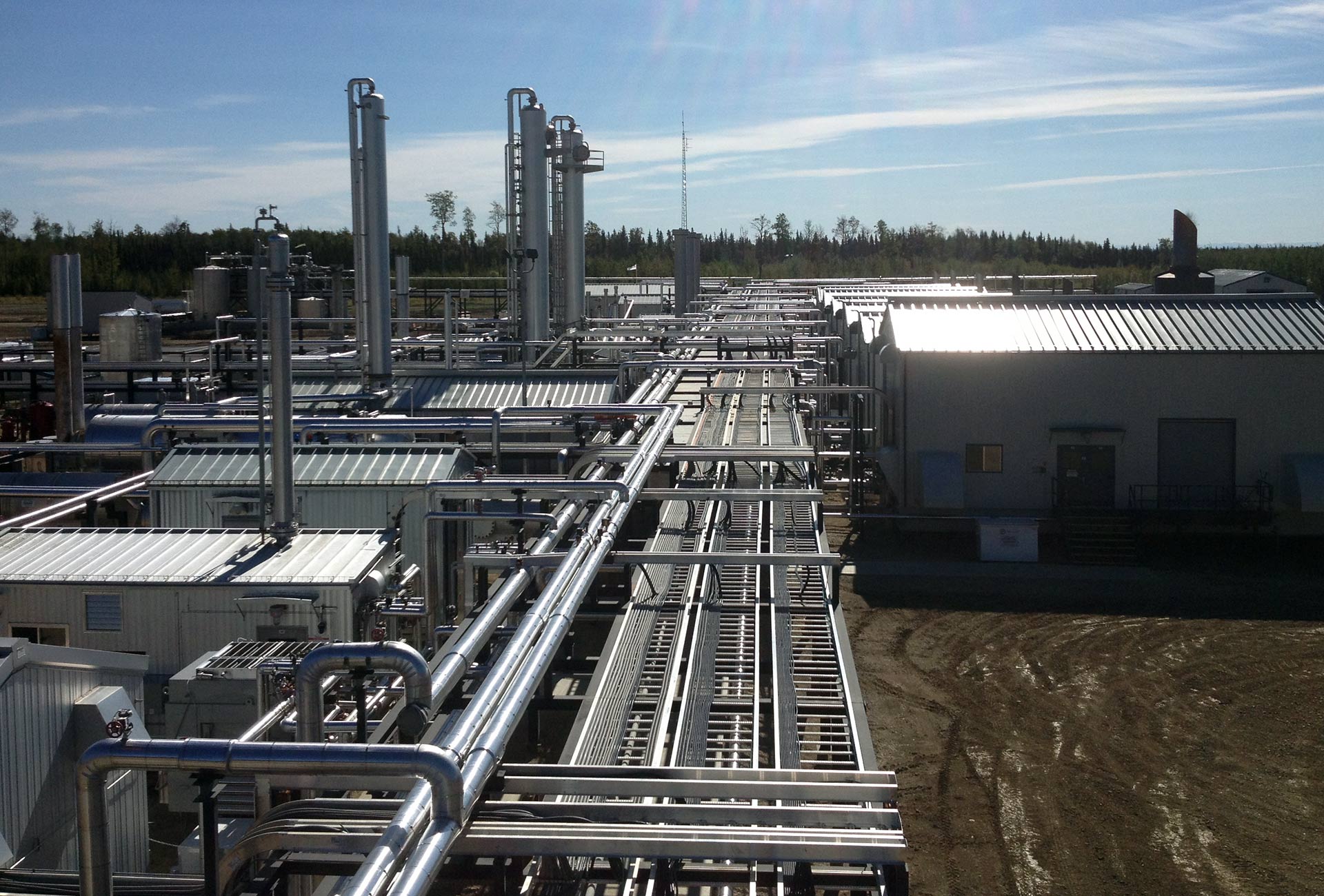
Oilfield sites operate in some of the toughest conditions, where temperature stability, energy efficiency, and worker safety directly impact productivity. This is why oilfield building insulation has become one of the most essential components in every facility’s construction and maintenance plan. With constant exposure to extreme weather, heavy machinery, and continuous operations, oilfield structures require high-performance insulation systems that can handle the pressure. This is where GR Insulating plays a leading role by offering durable, efficient, and tailor-made insulation solutions designed specifically for oilfield environments.
Oilfield companies today are not just concerned with cost saving. They also want workplace comfort, safety, and long-term asset protection. That is exactly why the demand for oilfield building insulation has increased, and why companies increasingly trust GR Insulating for dependable, industry-grade solutions.
Understanding the Importance of Oilfield Building Insulation
Oilfield buildings face challenges that typical commercial structures don’t. High heat loads, freezing winters, moisture exposure, and operational noise all make insulation a mission-critical requirement. Without proper insulation, oilfield sites suffer from high energy consumption, equipment deterioration, and uncomfortable working conditions.
This is why companies across the sector rely on GR Insulating for professionally installed solutions that support long-term performance. Whether it’s a control room, equipment station, accommodation camp, or a processing facility, each space benefits significantly from high-quality insulation.
How Oilfield Building Insulation Improves Operational Efficiency
Oilfield operations run 24/7, and even small inefficiencies create significant losses. Effective insulation helps stabilize temperature and reduce unnecessary energy usage. At the same time, it protects machinery, electrical infrastructure, and sensitive equipment.
We ensure that every insulation project is installed according to the highest standards so businesses can maintain smoother operations. By reducing heat transfer and preventing external temperature influence, oilfield sites operate more efficiently and more reliably.
Benefits of Using High-Quality Insulation in Oilfield Buildings
Oilfield clients choose insulation not only for comfort but also for long-term performance. Here are the key benefits:
-
Helps maintain controlled indoor temperature
-
Reduces overall energy consumption
-
Prevents moisture-related damage and corrosion
-
Protects electrical and mechanical infrastructure
-
Enhances worker safety in extreme environments
Why GR Insulating Leads the Industry in Oilfield Building Insulation
Oilfield clients need a partner they can trust—one that understands harsh environments and industry expectations. GR Insulating has built its reputation on consistent quality, professional installation, and high-value service delivery. Their insulation systems are designed to last, even under the most demanding operational conditions.
Short-term fixes don’t work in the oilfield sector. This is why companies rely on long-term solutions from GR Insulating, which provide protection, durability, and energy-efficient performance.
Key Components of an Effective Oilfield Insulation System
A strong insulation system combines the right materials with professional installation. Key components include:
-
Thermal insulation for temperature stability
-
Vapor barriers to prevent moisture buildup
-
Fire-resistant materials for safety compliance
-
Acoustic insulation for noise control
Oilfield Environments Demand Specialized Expertise
The oilfield is not a typical work environment. Humidity, chemicals, temperature extremes, and constant vibration require specialized treatment. Insulation must be carefully selected and maintained to prevent system failure.
This is why oilfield companies trust specialists like GR Insulating. Their industry-trained teams understand oilfield structures, equipment, and safety regulations, giving clients confidence in long-lasting performance.
How Proper Insulation Supports Worker Comfort and Safety
Comfort is not a luxury in the oilfield—it’s a requirement. Workers perform heavy duties in challenging environments, and well-insulated buildings help protect them from extreme heat and cold. This improves morale, reduces fatigue, and ensures stable productivity.
Common Types of Insulation Used in Oilfield Buildings
Oilfield facilities typically require several types of insulation depending on the building and application:
-
Rigid insulation panels for structural stability
-
Spray foam for complete sealing and energy efficiency
-
Mineral wool for fire-resistant performance
-
Fiberglass batt insulation for cost-effective temperature control
Each type offers specific benefits, and GR Insulating helps clients choose the best combination for their site’s needs.
Why Oilfield Sites Should Avoid Poor or Outdated Insulation
Outdated insulation leads to temperature inconsistency, higher utility bills, and increased safety risks. Over time, moisture infiltration can degrade the insulation, leading to mold, corrosion, or equipment failure.
Working with an experienced contractor like GR Insulating ensures that every building receives modern, efficient, and compliant insulation solutions.
Final Thoughts: Oilfield Building Insulation Is a Long-Term Investment
Oilfield companies that invest in proper insulation save significantly on operational expenses while improving working conditions. Durable insulation enhances building performance, supports safety, and protects assets from environmental damage.
For reliable, industry-grade solutions, GR Insulating remains one of the most trusted providers in the region, ensuring every oilfield building gets the long-lasting protection it requires.