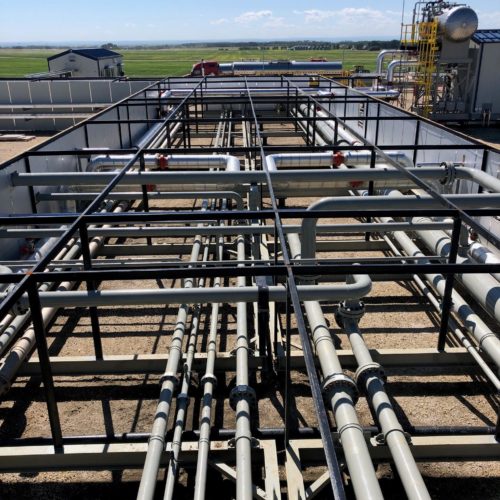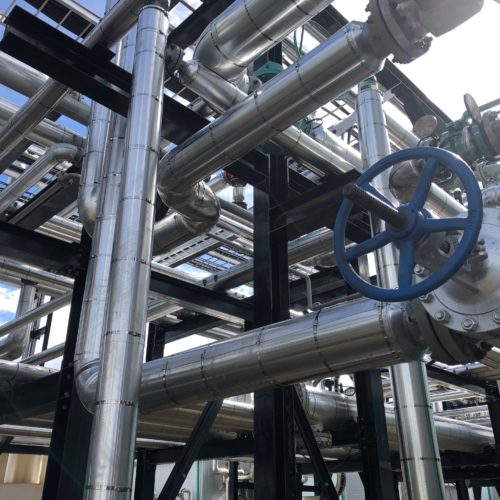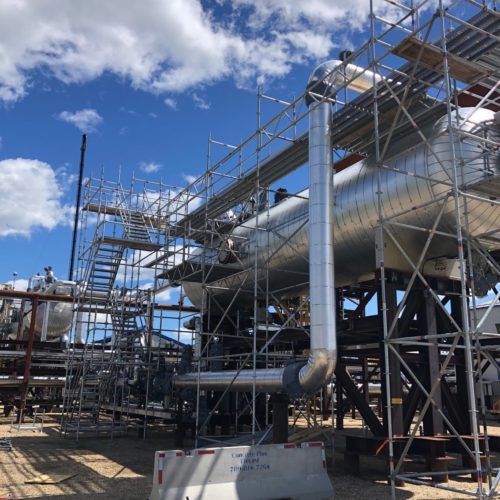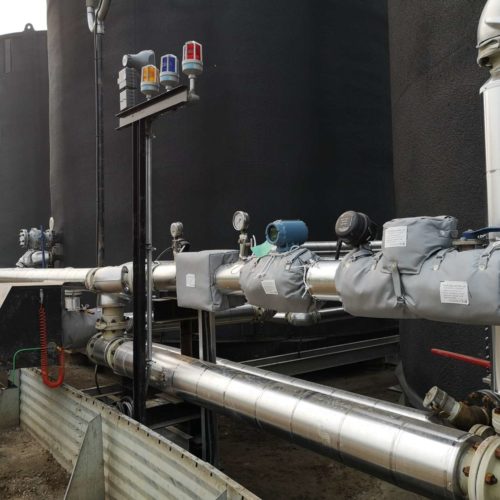
Mechanical pipe insulation is one of the most important components of a building’s mechanical system. It protects pipelines from temperature fluctuations, reduces energy loss, prevents moisture buildup, and supports long-term performance. Whether the system carries hot water, chilled water, steam, or chemical fluids, the quality of insulation determines how efficiently it operates. Poor insulation leads to waste, corrosion, safety risks, and expensive repairs. High-quality insulation, on the other hand, ensures reliability and stability throughout the year.
This is where GR Insulating plays a vital role. As a trusted insulation service provider, the company offers mechanical pipe insulation solutions that meet the demands of both industrial and commercial environments. Their website clearly explains how the right insulation helps protect assets, improve system performance, and reduce long-term operational expenses. With years of field experience, GR Insulating delivers insulation work that meets technical standards and industry expectations.
The Role of Mechanical Pipe Insulation in Modern Buildings
Mechanical pipe insulation is essential for maintaining temperature stability. Buildings today depend heavily on mechanical systems to deliver heating, cooling, and fluid transportation. When pipes are left uninsulated, systems must work harder to maintain temperature consistency, resulting in higher energy consumption. Over time, this leads to expensive utility costs and unnecessary wear on HVAC equipment.
Insulation also prevents condensation. Cold pipes naturally attract moisture from the surrounding air, which often results in water droplets, corrosion, and equipment damage. This moisture can spread into nearby structures and even promote mold. By insulating the pipes properly, moisture is controlled, and the entire system becomes more reliable.
GR Insulating focuses on these essential goals when handling mechanical pipe insulation projects. Their work reduces risks, prevents damage, and keeps systems functioning the way they should. This improves building performance and contributes to healthier, safer environments for occupants.
Key Functional Advantages of Mechanical Pipe Insulation
One of the biggest reasons insulation is important is energy efficiency. Insulated pipes maintain stable temperatures with minimal loss, reducing strain on mechanical systems. In large buildings or industrial facilities, the savings become even more noticeable.
Insulation also protects against condensation. As temperatures vary across different areas of a building, pipes often experience conditions that promote moisture buildup. If left unaddressed, this moisture causes rust and weakens the system.
Functional Benefits of Insulation
-
Reduces unnecessary energy consumption
-
Prevents condensation that leads to corrosion
-
Helps systems maintain stable temperatures
Why Professional Installation Matters
While insulation materials are widely available, proper installation requires technical skill. A professional team knows how to choose the right insulation thickness, material type, and protective finish. This ensures that the insulation performs effectively under real building conditions. Poorly installed insulation leaves gaps, air pockets, or exposed areas that eventually cause failures.
We bring this expertise to every mechanical pipe insulation project. Their experienced installers understand temperature control, system design, and environmental challenges. The company’s website highlights how they evaluate building needs and deliver insulation that meets long-term expectations.
With professional installation, clients receive consistent quality and long-lasting performance. Each project is tailored according to the system type, temperature range, and required protection level.
How GR Insulating Ensures Quality and Consistency
Mechanical systems vary significantly across buildings. Some require insulation for hot water supply, while others need protection for industrial process fluids. Temperature, humidity, and operating environment all influence the insulation approach.
This is why GR Insulating begins each project with assessment and planning. The team evaluates the pipeline structure, determines critical areas, and selects materials that perform well under specific conditions. Their approach improves system reliability and helps prevent mechanical issues typically caused by inadequate insulation.
Core Elements of Their Insulation Process
-
Proper material selection based on system needs
-
Installation techniques ensuring tight, uniform coverage
-
Final inspections to guarantee performance
Reducing Energy Waste Through Effective Insulation
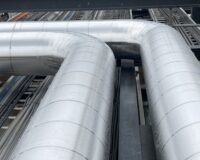
Energy loss is one of the biggest challenges in mechanical systems. When hot or cold fluids move through uninsulated pipes, temperature escapes quickly, forcing equipment to work harder. Insulation prevents this issue by creating a thermal barrier that minimizes heat transfer.
Over time, well-insulated pipes reduce loads on boilers, chillers, and HVAC equipment. This leads to lower energy bills and fewer maintenance problems. In commercial buildings and industrial facilities, these savings become substantial.
GR Insulating emphasizes the use of durable materials that maintain their insulating value over time. Their work supports building efficiency and reduces operational expenses, making mechanical pipe insulation a smart investment for long-term stability.
Protecting System Safety and Reducing Risks
Uninsulated pipes can create serious safety hazards. Hot pipes can cause burns to workers or occupants. Cold pipes can freeze in harsh weather, leading to bursting, water damage, and system failure. Proper insulation reduces these dangers by stabilizing surface temperatures and preventing direct exposure.
Moisture is another concern. Condensation often forms on pipes running through humid or unconditioned spaces. This moisture brings corrosion, mold growth, and deterioration of surrounding structures. Insulation eliminates these moisture problems by creating a vapor barrier and thermal protection layer.
Safety Improvements Provided by Insulation
-
Stable surface temperatures reduce direct contact risks
-
Moisture control prevents corrosion and structural damage
-
Reduces chances of freeze-related pipe failures
Mechanical Pipe Insulation Across Different Environments
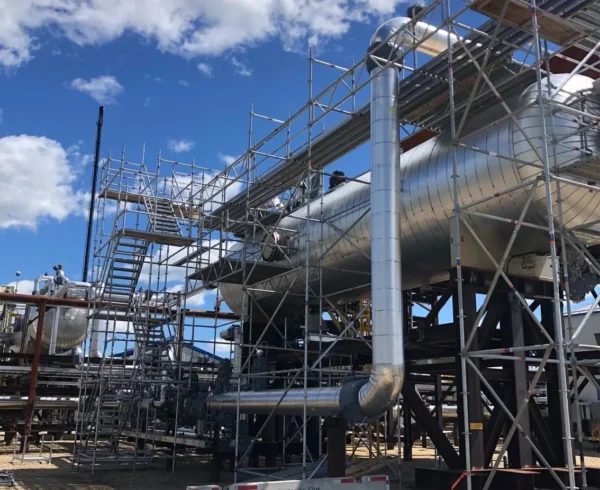
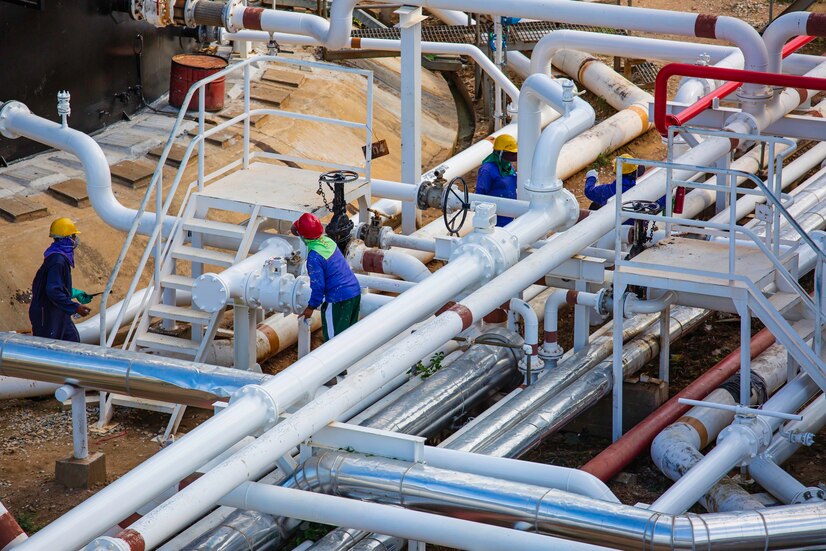
Mechanical pipe insulation is used in a wide range of spaces, each requiring customized planning. Industrial plants often operate at higher temperatures and require insulation capable of withstanding harsh conditions. Commercial buildings rely on consistent thermal performance to maintain comfort and reduce energy waste. Residential systems also need protection, especially where temperature changes are extreme.
We provide solutions across all these settings. Their website shows how they work with contractors, facility managers, and building owners to deliver insulation that meets the exact requirements of each environment. Regardless of the building type, the company ensures quality performance and reliable results.
Why GR Insulating Is a Trusted Mechanical Pipe Insulation Partner
Mechanical pipe insulation requires technical understanding, reliable workmanship, and consistent service. GR Insulating has built its reputation by offering dependable insulation solutions that protect building systems and improve long-term efficiency. The company’s work ensures that pipes remain stable, safe, and resistant to environmental challenges.
Their website provides clear guidance, making it easy for clients to understand the value of insulation and explore available services. With a focus on durability, safety, and performance, GR Insulating stands out as a reliable choice for mechanical pipe insulation projects.